

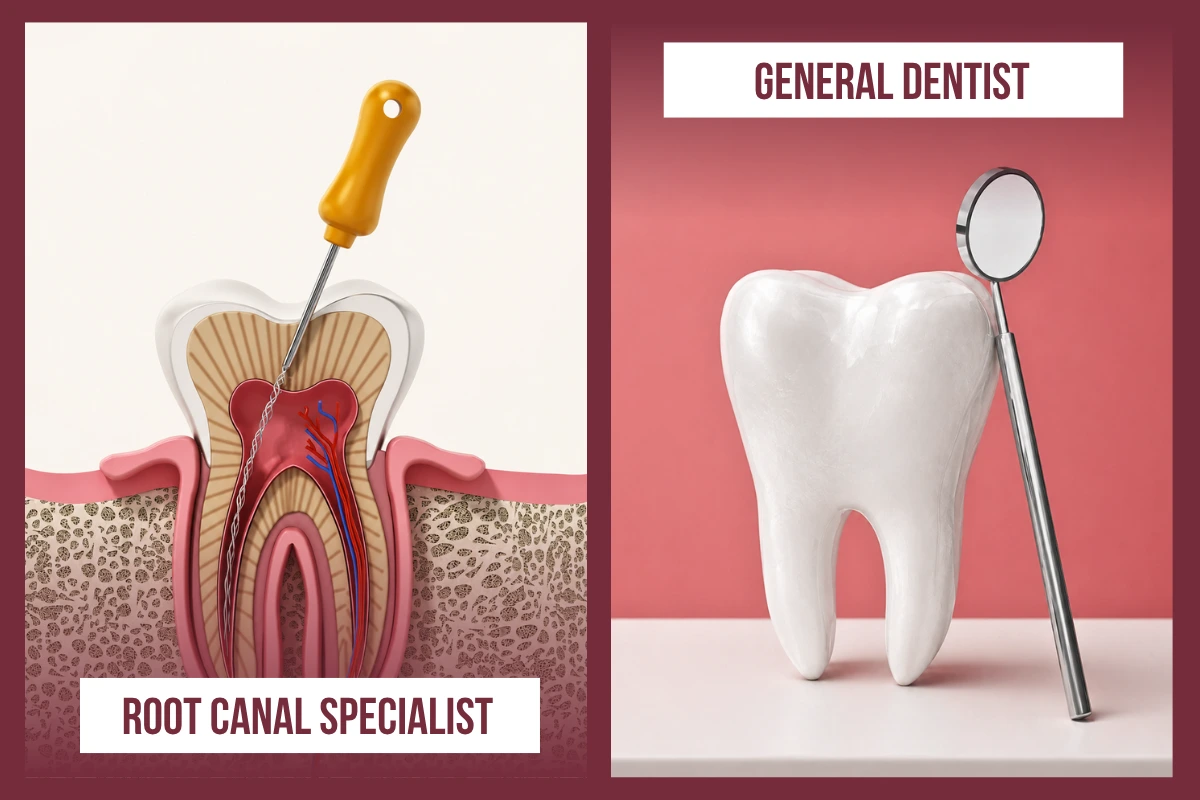
When you have a toothache, sensitivity, or need a root canal, one of the common questions patients ask is: Should I see a general dentist or a root canal specialist?
Many people assume all dentists perform the same procedures. While general dentists are trained to diagnose and treat a wide range of dental concerns, some dentists undergo additional years of specialised training to focus on specific areas of dentistry.
A root canal specialist, also known as an endodontist, specialises in diagnosing and treating problems affecting the inside of the tooth. Understanding the difference between a general dentist and a Root Canal Doctor can help you make an informed decision about your dental care.
Who Is a General Dentist?
A general dentist is your primary dental care provider. They are trained to diagnose, prevent, and treat common oral health conditions.
General dentists typically provide:
- Routine dental check-ups
- Teeth cleaning
- Fillings
- Crowns and bridges
- Preventive dental care
- Gum health management
- Cosmetic dentistry procedures
- Basic root canal procedures
For most routine dental needs, a general dentist is the right professional to visit.
They focus on maintaining your overall oral health and identifying problems before they become more serious.
Who Is an Endodontist?
An endodontist is a dentist who completes additional specialised training focused on the diagnosis and treatment of diseases affecting the dental pulp and tooth roots.
The word “endodontics” literally means “inside the tooth.”
After dental school, endodontists undergo advanced training dedicated to procedures involving the inner structures of the tooth, particularly root canal treatments.
An endodontist is often referred to as a Root Canal Doctor because treating infected, damaged, or inflamed tooth pulp is their primary area of expertise.
What Does an Endodontist Treat?

An endodontist focuses on conditions such as:
- Deep tooth decay reaching the nerve
- Severe tooth pain
- Dental trauma or injury
- Cracked teeth
- Tooth infections
- Dental abscesses
- Failed previous root canal treatments
- Persistent sensitivity to hot or cold
When a tooth’s pulp becomes infected or inflamed, specialised Endodontic Treatment may be required to save the natural tooth.
General Dentist vs Endodontist: Key Differences
1. Training and Expertise
A general dentist receives broad training across all aspects of dentistry.
An endodontist completes additional years of specialised education focused exclusively on diagnosing and treating problems within the tooth pulp and root canal system.
This advanced training allows them to manage more complex root canal cases.
2. Type of Procedures Performed
General dentists provide a wide range of treatments for overall oral health.
Endodontists primarily focus on:
- Root canal treatments
- Root canal retreatments
- Dental trauma management
- Endodontic surgery
- Treatment of complex tooth infections
Because they perform these procedures regularly, they often manage difficult cases that require specialised care.
3. Technology Used
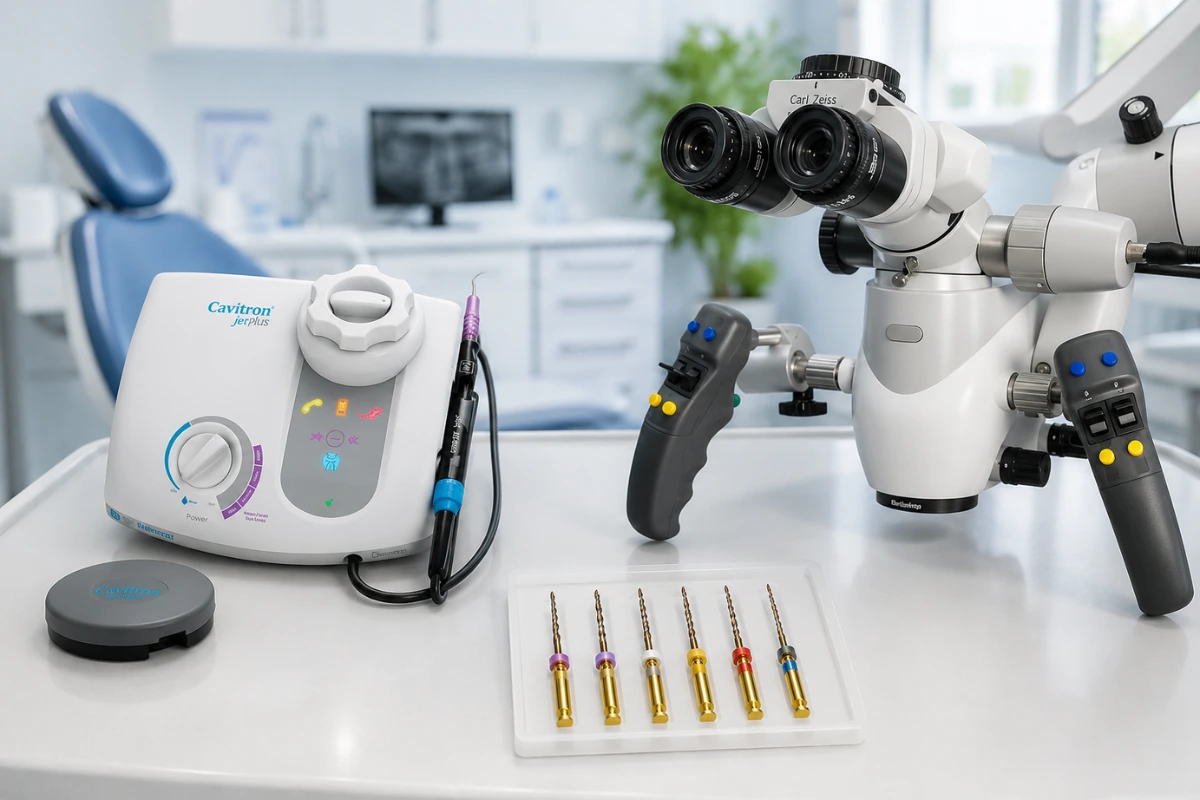
Many endodontists use advanced equipment designed specifically for Endodontic Treatment, including:
- Dental operating microscopes
- Digital imaging
- 3D CBCT scans
- Ultrasonic instruments
- Advanced root canal systems
These technologies can improve precision and help diagnose complex conditions more accurately.
4. Managing Complex Cases
While many routine root canal procedures can be successfully performed by a general dentist, some cases may require referral to an endodontist.
Examples include:
- Curved or narrow root canals
- Re-treatment of failed root canals
- Teeth with unusual anatomy
- Dental trauma cases
- Persistent infection despite treatment
In these situations, consulting the Best Endodontist may increase the likelihood of preserving the natural tooth.
When Should You See a Root Canal Specialist?

Your dentist may recommend seeing an endodontist if you experience:
Severe Tooth Pain
Persistent or intense tooth pain may indicate infection or inflammation inside the tooth.
Sensitivity That Doesn’t Go Away
Lingering sensitivity to hot or cold can be a sign that the dental pulp has been affected.
Swelling Around a Tooth
Swelling in the gums, jaw, or face can indicate a dental abscess that requires prompt attention.
Previous Root Canal Failure
Sometimes a tooth that has already undergone root canal treatment may develop symptoms again. In such cases, specialised treatment may be necessary.
Dental Trauma
A tooth that has been cracked, fractured, or injured during an accident may require advanced endodontic care.
Is Root Canal Treatment Painful?
One of the biggest misconceptions about root canal treatment is that it is painful.
Modern Endodontic Treatment is designed to relieve pain, not cause it.
With modern anaesthesia techniques and advanced dental technology, most patients report that a root canal feels similar to getting a routine filling.
In fact, root canal treatment is often the most effective way to eliminate severe tooth pain caused by infection.
Why Saving Your Natural Tooth Matters
Whenever possible, preserving your natural tooth is the preferred option.
A successful root canal treatment can:
- Eliminate infection
- Relieve pain
- Restore normal chewing function
- Prevent extraction
- Maintain jawbone health
- Preserve your natural smile
This is why timely evaluation by a dentist or Root Canal Doctor is important when symptoms arise.
How Do You Know If You Need Endodontic Treatment?
Common warning signs include:
- Persistent toothache
- Pain while chewing
- Sensitivity to hot or cold
- Gum swelling
- Tooth discolouration
- Pimple-like swelling on the gums
- Facial swelling near the affected tooth
If you notice any of these symptoms, it is important to schedule a dental examination as soon as possible.
Choosing the Best Endodontist
When looking for the Best Endodontist, consider:
- Experience in root canal procedures
- Use of advanced diagnostic technology
- Focus on patient comfort
- Ability to manage complex cases
- Strong communication and treatment planning
The right specialist will explain your condition clearly and help you understand all available treatment options.
Final Thoughts
A general dentist plays a vital role in maintaining your overall oral health, while an endodontist specialises in treating problems inside the tooth. Both professionals work together to help preserve your natural teeth and keep your smile healthy.
If you are experiencing tooth pain, prolonged sensitivity, swelling, or signs of infection, seeking timely evaluation is important. At Studio Dentiica, Dr Swati Thongire Gurav provides comprehensive dental care and can guide you on whether routine treatment or specialised Endodontic Treatment is needed.
Phone: 07400455007
WhatsApp: 7400455007
Book your consultation early and address dental concerns before they become more complex.