

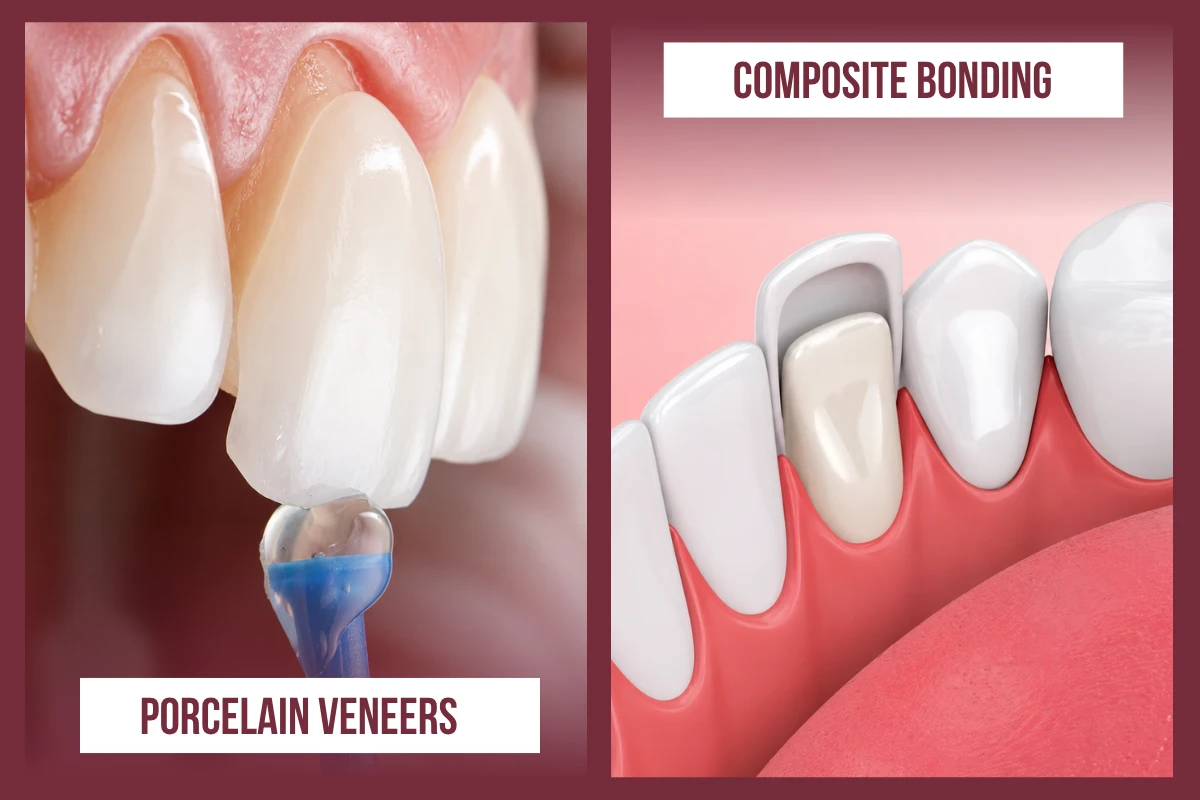
When patients want to improve their smile, two of the most commonly discussed options are Dental Veneers and Cosmetic Bonding. Both treatments can enhance the appearance of teeth, but they are not the same.
Porcelain veneers and composite bonding differ in cost, durability, treatment time, appearance, and how much tooth preparation may be needed. So, the right choice depends on your smile goals, dental condition, budget, and long-term expectations.
If you are considering a smile makeover, understanding the difference between veneers and bonding can help you make a more confident decision.
What Are Porcelain Veneers?
Porcelain veneers are thin, custom-made shells that are bonded to the front surface of the teeth. They are usually used to improve the colour, shape, size, and alignment of visible front teeth.
Dental Veneers are commonly used for:
- Stained or discoloured teeth
- Small gaps between teeth
- Mildly uneven teeth
- Worn-down teeth
- Chipped teeth
- Teeth with shape or size concerns
- Smile makeover cases
Porcelain veneers are created in a dental lab and are designed to look very natural. They reflect light in a way that closely resembles natural enamel, which is why many patients choose them for long-term cosmetic enhancement.
What Is Composite Bonding?
Cosmetic Bonding is a treatment where tooth-coloured composite resin is applied directly to the tooth, shaped by the dentist, and hardened using a special curing light.
It is often used for smaller cosmetic corrections, such as:
- Minor chips
- Small gaps
- Slight unevenness
- Tooth edge repair
- Minor discolouration
- Shape correction
Composite bonding is usually completed in a single visit and is a more conservative option in many cases.
Porcelain Veneers vs. Composite Bonding: The Main Difference
The main difference is the material and the level of planning involved.
Porcelain veneers are made outside the mouth in a dental lab and are known for their strength, stain resistance, and highly polished finish.
Composite bonding is sculpted directly on the tooth by the dentist using resin material. It is quicker and usually more affordable, but it may not last as long as porcelain veneers.
1. Cost: Which Treatment Is More Affordable?
When patients search for Veneers cost, they usually want to know whether porcelain veneers or bonding gives better value.
In general, composite bonding is more affordable than porcelain veneers. This is because bonding is done directly in the clinic and usually does not require lab fabrication.
Porcelain veneers cost more because they involve:
- Detailed smile planning
- Tooth preparation
- Impressions or digital scans
- Custom lab work
- High-quality ceramic material
- Final bonding appointment
However, cost should not be the only deciding factor. A cheaper option may need more maintenance over time, while a higher-cost treatment may offer better longevity and aesthetics in selected cases.
2. Longevity: Which Lasts Longer?
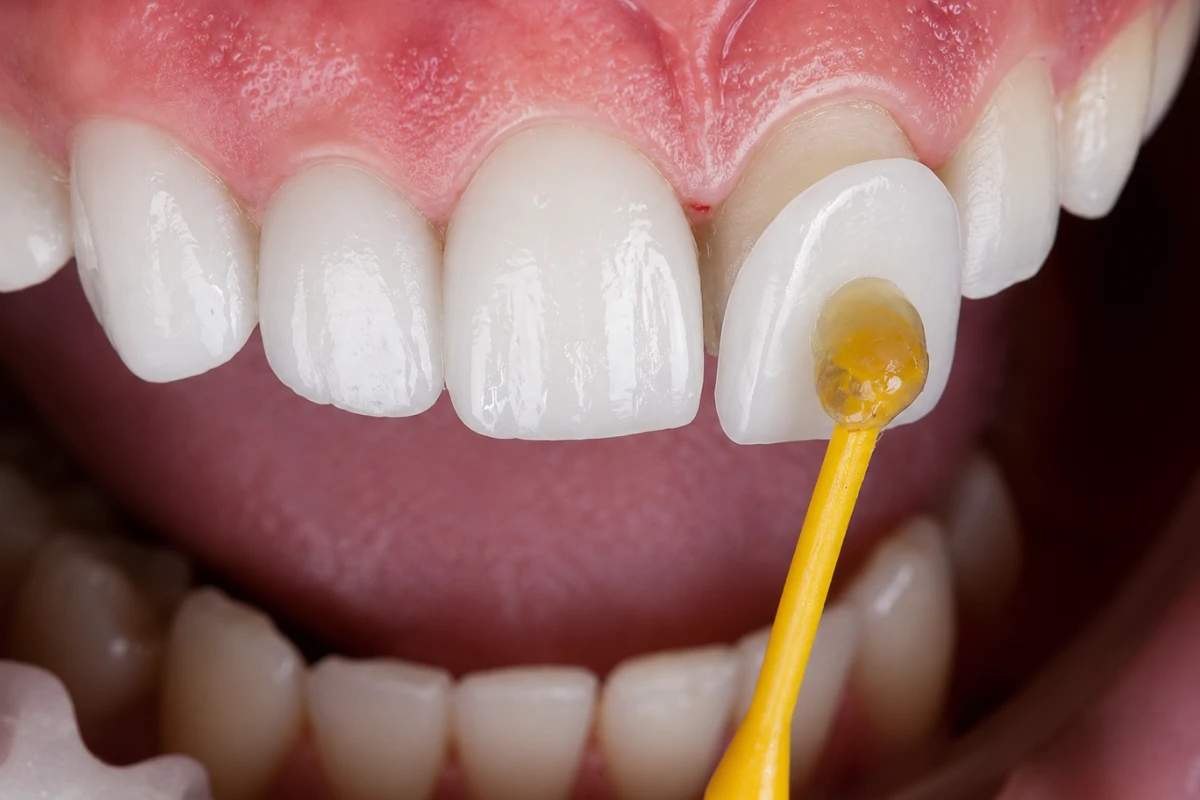
Porcelain veneers usually last longer than composite bonding when maintained properly.
Porcelain veneers are more resistant to staining and wear. They are stronger than composite resin and can maintain their shine and colour for many years.
Composite bonding may need polishing, repair, or replacement sooner because resin can stain, chip, or wear down over time.
Longevity depends on:
- Oral hygiene
- Bite habits
- Teeth grinding
- Diet
- Smoking or tobacco use
- Regular dental check-ups
- Quality of the material and technique
If you grind your teeth or bite hard objects, both veneers and bonding can chip or fail earlier.
3. Results: Which Looks Better?
Both treatments can create beautiful results when planned well.
Porcelain veneers usually provide a more refined and long-lasting cosmetic result. They are ideal when patients want a bigger smile transformation involving multiple teeth.
Composite bonding can also look very natural, especially for minor corrections. It works well when only small changes are needed.
In simple terms:
Porcelain veneers are better suited for dramatic, long-term smile makeovers.
Composite bonding is better suited for small, quick, conservative corrections.
4. Treatment Time: Which Is Faster?
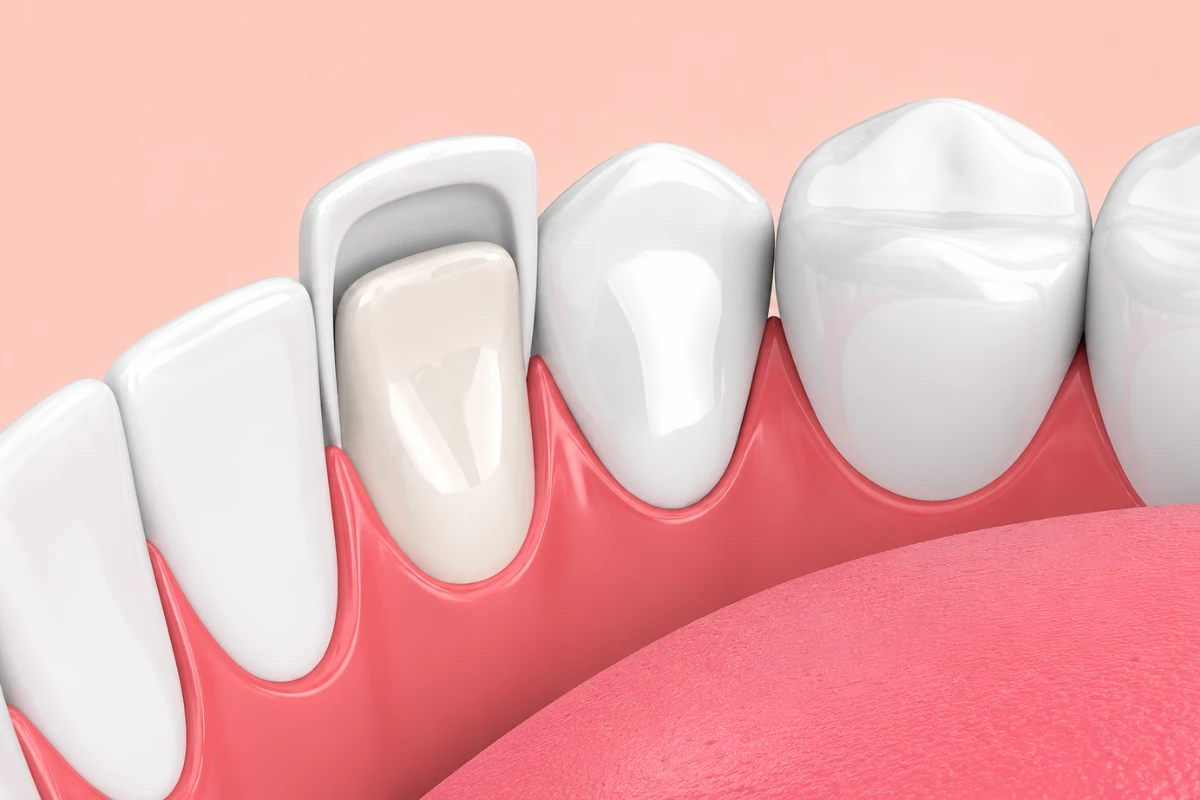
Composite bonding is usually faster.
In many cases, bonding can be completed in one appointment. The dentist applies, shapes, and polishes the resin directly on the tooth.
Porcelain veneers usually require multiple visits. The process may include consultation, smile design, tooth preparation, scanning or impressions, temporary veneers, and final bonding.
If you want a quick improvement before an event, bonding may be more suitable. If you want a detailed and long-term smile makeover, porcelain veneers may be a better choice.
5. Tooth Preparation: Which Is More Conservative?
Composite bonding usually requires little to no removal of natural tooth structure.
Porcelain veneers may require minimal enamel preparation, depending on the case. In some situations, no-prep or minimal-prep veneers may be possible, but this depends on tooth position, smile design, and the desired result.
A good cosmetic dentist will always focus on preserving natural tooth structure as much as possible.
6. Stain Resistance: Which Stays Brighter?
Porcelain veneers are more stain-resistant than composite bonding.
Composite resin can absorb stains from tea, coffee, wine, smoking, and certain foods over time. Regular polishing can help, but bonding may still change colour gradually.
Porcelain veneers maintain their colour better and are easier to keep bright with good oral hygiene.
7. Repair and Maintenance
Composite bonding is easier to repair if it chips. The dentist can usually add more resin and polish it again.
Porcelain veneers are strong, but if they crack or break, they may need replacement rather than repair.
Both treatments require regular dental visits and good home care.
Which Option Is Right for You?
Porcelain veneers may be suitable if you want:
- A long-term smile makeover
- Better stain resistance
- Major improvement in tooth shape or colour
- A highly polished cosmetic result
- Treatment for multiple front teeth
Composite bonding may be suitable if you want:
- A quicker treatment
- A more affordable option
- Minor correction of chips or gaps
- Minimal tooth preparation
- A reversible or conservative approach in selected cases
Can Veneers and Bonding Be Combined?
Yes, in some smile makeover cases, both treatments may be used together.
For example, porcelain veneers may be used for the most visible front teeth, while composite bonding may be used for minor corrections on nearby teeth.
The treatment plan depends on your smile, bite, tooth condition, and expectations.
Why a Smile Assessment Is Important

Choosing between Dental Veneers and Cosmetic Bonding should not be based only on photos or online comparisons.
A proper smile assessment helps evaluate:
- Tooth structure
- Gum health
- Bite alignment
- Existing fillings
- Tooth colour
- Smile symmetry
- Facial proportions
- Long-term maintenance needs
This allows your dentist to recommend a treatment that looks good and functions well.
Final Thoughts
Both porcelain veneers and composite bonding can improve your smile beautifully, but they serve different purposes. Veneers are usually preferred for long-term, refined smile makeovers, while bonding is ideal for smaller, quicker, and more conservative corrections.
If you are considering Dental Veneers, Cosmetic Bonding, or want to understand veneer costs, visit Studio Dentiica in Thane by Dr Swati Thongire Gurav for a personalised smile consultation.
Phone: 07400455007
WhatsApp: 7400455007
Book your consultation and choose the smile treatment that suits your teeth, goals, and long-term comfort.